
Why Ignition Cylinders Wear Out — and What the Damage Looks Like
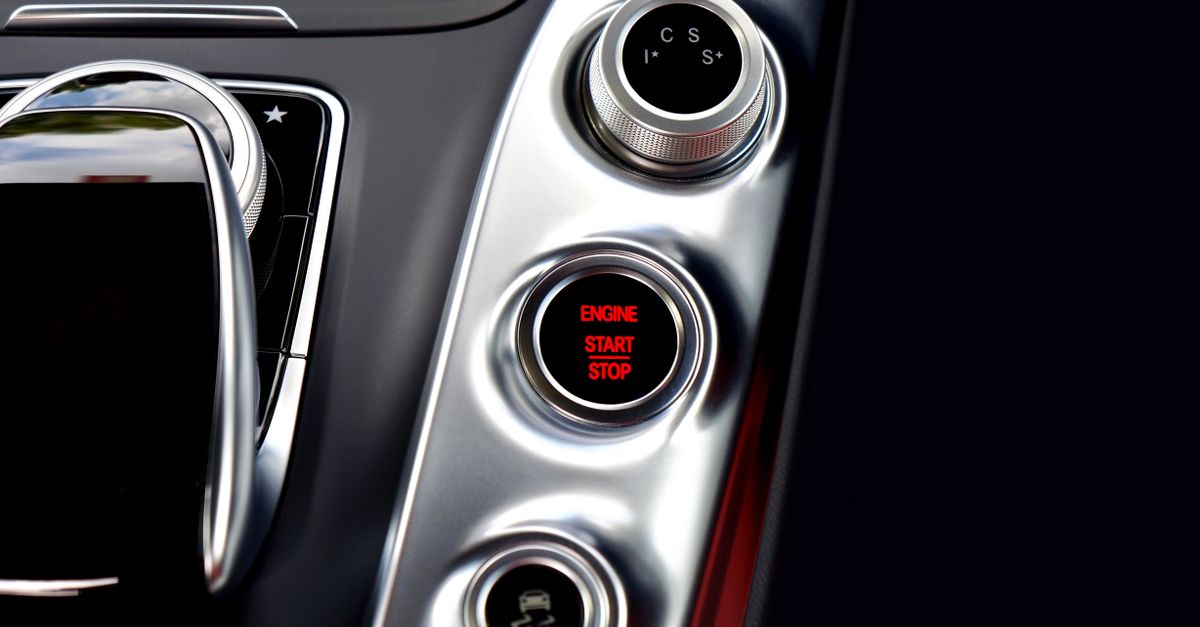
An ignition cylinder is a precision mechanical component exposed to more daily stress than most drivers realize. Every key insertion deposits microscopic metal shavings from both the key and the cylinder's internal wafers. Over time those shavings accumulate, the spring-loaded pins fatigue, and the cylinder begins to bind. In Palm Valley's climate — hot, humid summers alternating with cooler, drier winters — the metal components inside the cylinder expand and contract repeatedly, accelerating wear on plastic retaining clips and the brass wafer stack. The result can be a key that only turns with heavy pressure, a cylinder that sticks in the 'start' position, a key that spins freely without engaging the switch, or a cylinder that accepts the key but won't release it without jiggling.
Common warning signs include: a key that suddenly feels stiff to turn; a steering wheel that locks up mid-start attempt; an ignition that requires two or three tries before the engine catches; or — worst case — a key that snaps off inside the barrel. Each symptom points to a different internal failure mode, and correctly identifying which one matters enormously before any repair begins. Our technicians carry professional-grade diagnostic tools and a broad stock of replacement cylinders and rekey kits for domestic and import vehicles, so diagnosis doesn't just inform the conversation — it drives the repair plan.